
The 800 Club: How to Build a Perfect Credit Score in 12 Months (2026 Guide)
In the financial landscape of 2026, an 800 credit score is more than just a number; it is a “Financial Passport” that unlocks the lowest mortgage rates, premium credit card rewards, and even lower insurance premiums. With the introduction of the FICO 10T scoring model—which now looks at “trended data” over a 24-month period—the strategy for hitting the elite 800 mark has evolved.
If you are starting with a “thin” file or a “fair” score, hitting 800 in a year is aggressive, but mathematically possible. This guide provides the tactical roadmap to manipulate the five pillars of your credit score for maximum growth in 365 days.
🏛️ 1: The “Zero-Tolerance” Payment Rule (35% of Score)
The single most important factor remains your payment history. In 2026, even a single 30-day late payment can tank a 780 score down to 650 instantly.
The 12-Month Strategy:
The Autopay Safety Net: Set up “Minimum Payment” autopay on every single account today. This ensures that even if you forget a bill, your credit report remains “Clean.”
The “Experian Boost” Hack: In 2026, you can now link your utility bills, streaming services (Netflix/Disney+), and even your rent to your credit report. For a “thin” file, this can add 10–15 points in 24 hours.
Goodwill Letters: If you have an old late payment from 2024 or 2025, write a “Goodwill Letter” to the creditor. With banks competing for customers in 2026, many are willing to remove a single blemish as a courtesy.
📉 2: The “Under 7%” Utilization Strategy (30% of Score)
Credit utilization is the amount of credit you use versus your total limit. While the old advice was to stay under 30%, the 800-score elite stay under 7%.
The 12-Month Strategy:
The AZEO Method (All Zero Except One): This is a high-level tactic where you pay off all credit cards to $0 before the statement closing date, except for one card which you leave with a small $10 balance. This shows the algorithm you are using credit but with zero risk.
Rapid Limit Increases: Every 90 days, request a credit limit increase on your existing cards via their mobile apps. Do not do this if it requires a “Hard Inquiry.” Increasing your limit from $5,000 to $10,000 instantly cuts your utilization in half.
Micropayments: Don’t wait for the end of the month. Pay your credit card bill every time you get a paycheck. This keeps your “reported” balance low at all times.
⏳ 3: Age of Credit and the “Authorized User” Shortcut (15% of Score)
You can’t buy time, but you can “borrow” it. The “Length of Credit History” factor looks at the average age of all your accounts.
The 12-Month Strategy:
The “Piggybacking” Strategy: If you have a family member with a credit card that is 10+ years old and has a $0 balance, ask them to add you as an Authorized User. You don’t even need to use the card. Their decade of perfect history will be grafted onto your report, potentially jumping your score 30–50 points in one billing cycle.
Don’t Close Old Accounts: Even if you hate your first “Starter Card” with a $500 limit, keep it open. Closing it will shorten your average credit age and drop your score.
🛠️ 4: The “Credit Mix” and AI Lending (10% of Score)
Lenders want to see that you can handle different types of debt: Revolving (Credit Cards) and Installment (Loans).
The 12-Month Strategy:
Credit Builder Loans (Self/Kikoff): If you don’t have a car loan or mortgage, use a digital “Credit Builder Loan” like Self. You “pay” yourself $25 a month into a locked savings account. They report it as an installment loan. At the end of the year, you get your money back, and your credit mix is perfected.
BNPL (Buy Now, Pay Later) Caution: In 2026, services like Klarna and Affirm now report to credit bureaus. While they can help build credit if paid on time, “Too Many” of these small loans can signal financial instability to high-end lenders.
🕵️ 5: Guarding Against “Hard Inquiries” (10% of Score)
Every time you apply for a loan, your score drops 3–5 points. These “Hard Inquiries” stay on your report for 2 years.
The 12-Month Strategy:
The “Freeze” Strategy: Keep your credit reports frozen at Equifax, Experian, and TransUnion. This prevents identity theft and forces you to be intentional about when you apply for new credit.
Soft-Pull Pre-Approvals: In 2026, most major banks (Chase, Amex, Capital One) offer “Pre-Approval” tools that tell you if you’ll be accepted without hurting your score. Never “Blindly” apply again.
📅 The 12-Month Action Calendar
Month 1: Pull your reports from AnnualCreditReport.com. Dispute every single error. Set up Autopay.
Month 3: Request your first round of Credit Limit Increases.
Month 6: Check your “Trended Data.” Are your balances staying low month-over-month? If not, consolidate debt into a 0% APR card.
Month 9: Perform the “Authorized User” hack if you are stuck at a plateau (e.g., stuck at 740).
Month 12: Final audit. Ensure all balances are under 7%. Your score should now be knocking on the door of 800.
💡 Summary: Why 800 Matters in 2026
With AI-driven lending, banks can now adjust their interest rates in real-time. A person with an 800 score might get a 4.5% mortgage, while a 680 score gets 7%. Over 30 years, that 800 score is worth roughly $150,000 in saved interest.
Credit is not a mystery; it is a game of data. Follow the roadmap, stay disciplined, and join the elite “800 Club” by next year.
Author

queenalisha232@gmail.com
Related Posts
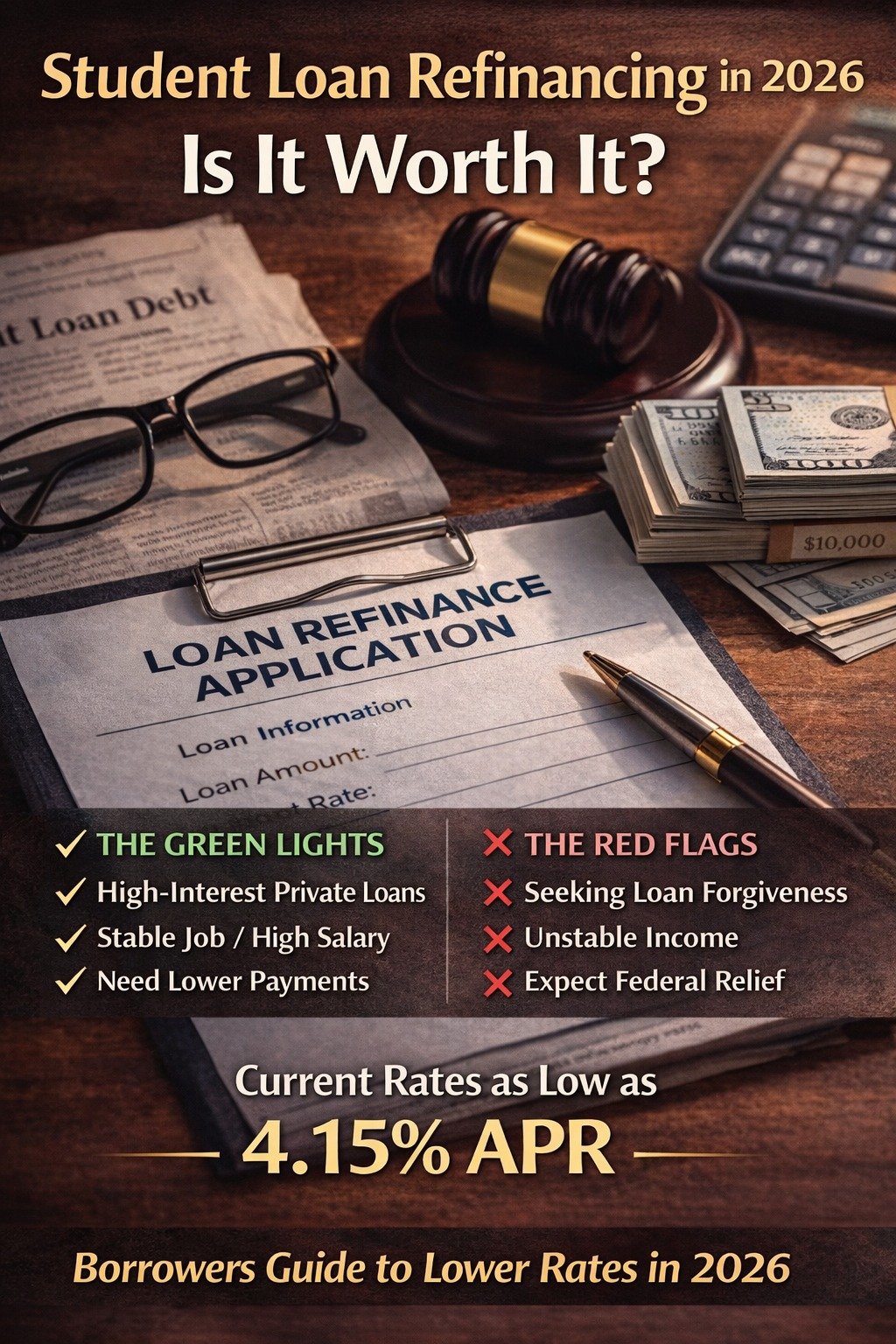
Student Loan Refinancing in 2026: Is It Worth It?
For years, student loan borrowers were told to “wait and see” as federal payment pauses and forgiveness debates dominated the headlines. However,...
Read out all
Travel Hacking 2026: How to Fly Business Class Using Credit Card Points
In the golden age of travel hacking, flying Business Class is no longer a luxury reserved for the 1%. In 2026, it...
Read out all
The Ultimate Guide to Choosing Your First Premium Credit Card (2026 Edition)
In the modern financial ecosystem, a credit card is no longer just a plastic tool for debt—it is a high-performance financial instrument....
Read out all
Maximize Your Wealth: The 7 Best High-Yield Savings Accounts of 2026
In the financial landscape of 2026, the mantra “cash is king” has taken on a new meaning. While the volatile markets of...
Read out all